What Does Scrap Allowance Mean?
If you’ve ever had a dodgy car removal bloke offer you a few hundred bucks for a rust bucket that’s more hole than metal, you might’ve scratched your head and thought, “How the hell is that worth anything?” The answer often comes down to something called scrap allowance. And yep, it’s more important than you might think when it comes to old car removal in Melbourne.
We’ve pulled apart thousands of end-of-life vehicles over the years at Old Cars Removed — from Falcons buried under fig trees in Coburg to burnt-out Camrys dumped after a burnout gone wrong in Dandenong. Scrap allowance is what lets us still offer cash for old car in Melbourne that most folks would call cactus. So let’s break it down, tradie-style.
Here’s the Gist, No Fluff
Scrap allowance is the estimated value of the raw materials in your car — mainly steel, aluminium, copper, and a bit of catalytic converter sparkle. It’s the baseline payout a old car removal company or metal recycler can offer, even if your vehicle isn’t running, registered, or repairable.
It’s based on current scrap metal market prices and the average weight of vehicle components. The heavier (and more metal-rich) the vehicle, the better the scrap allowance. That’s why your old Hilux will often out-earn a busted Barina, kilo for kilo.
Scrap allowance can sometimes be confused with capital allowance or depreciation rules, especially if you’re dealing with company vehicles. But where capital allowance relates to accounting write-offs for business assets, scrap allowance is all about the raw materials left at the end.
| Material | Avg. Price (per tonne AUD) |
|---|---|
| Steel (mild/auto mix) | $250–$400 |
| Aluminium | $1,500–$2,500 |
| Copper | $8,000–$10,000 |
| Brass & other metals | $4,500–$6,500 |
Note: These are ballpark figures and fluctuate based on demand, international trade, and season (yep, even summer storms can swing prices).
Why It Counts in Melbourne
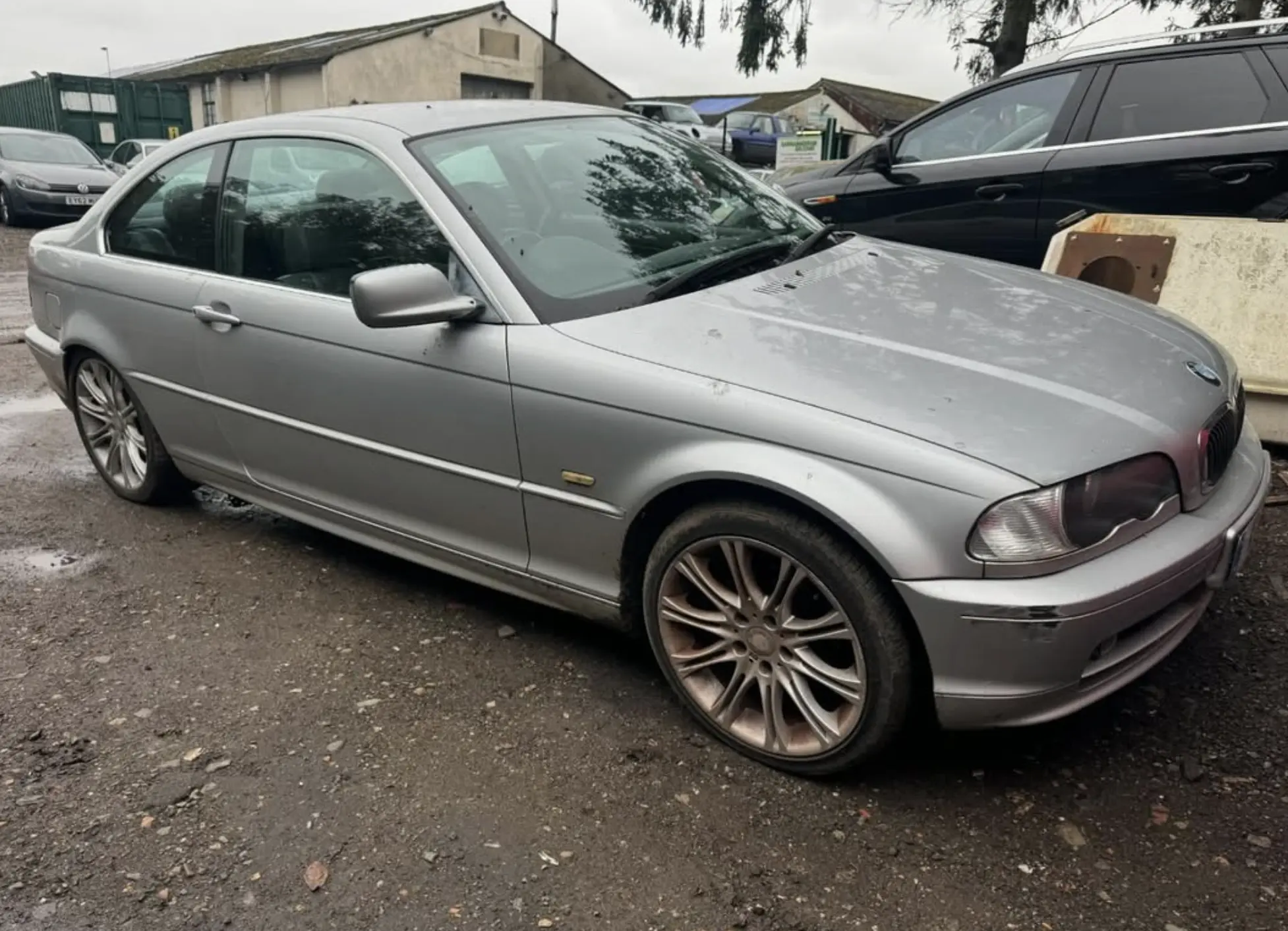
Think your unregistered sedan sitting in the driveway is worthless? Think again. Scrap allowance gives it a baseline value — which means even if the car’s full of spiders, has flat tyres, or hasn’t started since the last Melbourne Cup, it still holds value.
We once picked up a rusted-out Nissan Pulsar in Sunshine that hadn’t moved since 2008. The bloke thought he’d have to pay us to take it. Instead, he got $180 in cash. That’s scrap allowance at work.
It’s especially handy for:
- Cars with blown engines or busted gearboxes
- Write-offs with expired rego and no insurance
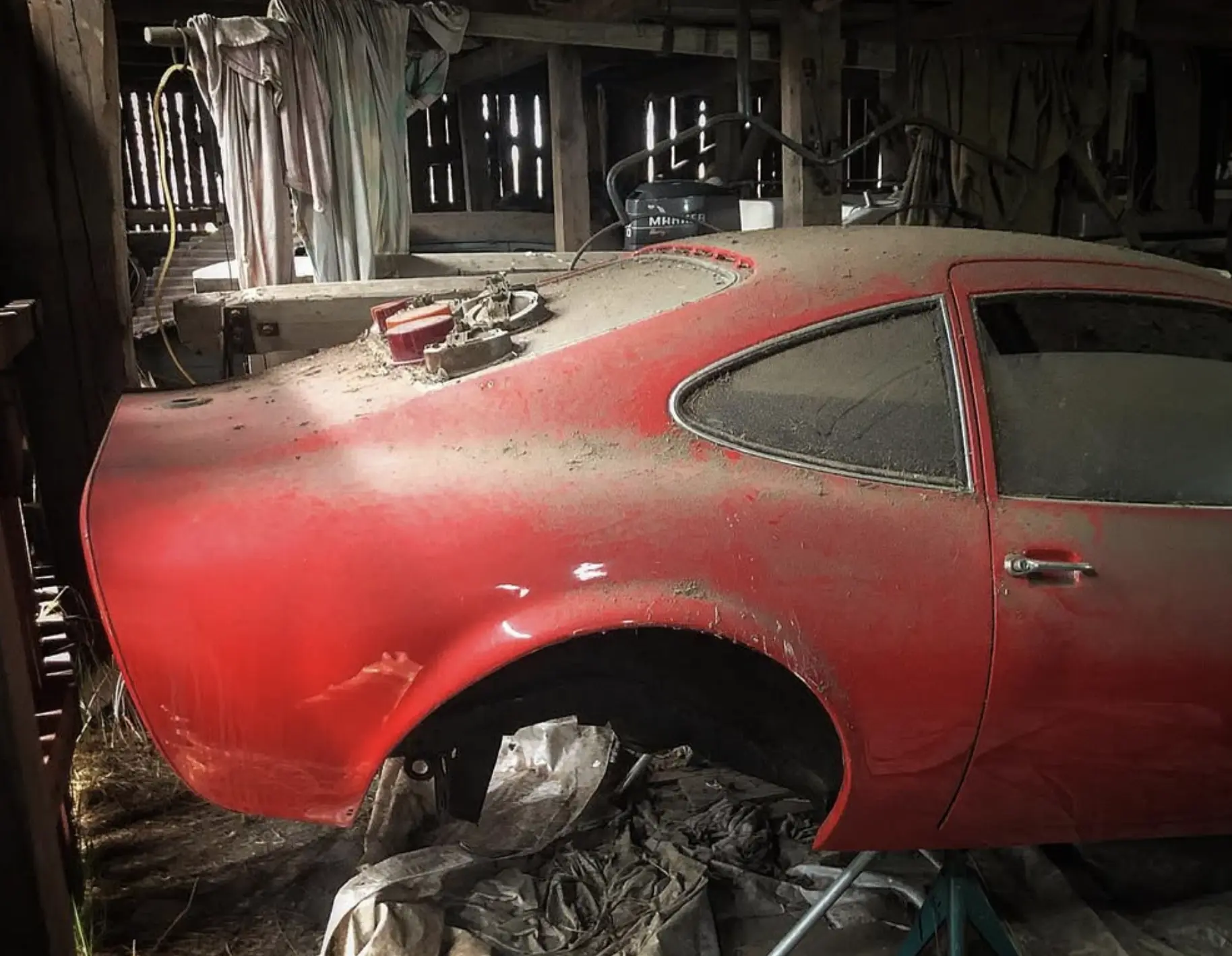
- Old paddock bombs or project cars gone stale
- Vehicles abandoned after storm damage or bushfire
When you factor in the salvage value, break-up value, and even net tax value for business owners, it becomes clearer why scrap allowance is worth tracking. Whether it’s for business costs or offsetting a standard cost, there’s more than one angle to getting a return on an old vehicle.
If you’re chasing cash for cars in Sandringham, scrap allowance ensures you’ll get paid even if your car’s seen better days. We’ve hauled plenty from that area — everything from soggy sedans to sandy utes parked near the bay.
Common Misconceptions About Value
There’s a fair bit of backyard myth when it comes to what your old car’s worth. Let’s bust a few:
“It’s a classic, so it must be worth more!”
Not if it’s held together with duct tape and family hopes. Scrap value is weight + material — not sentiment or model hype.
“I added aftermarket wheels, which boost scrap price, right?”
Nah. We remove reusable parts before the car’s weighed for scrap. Fancy rims are a separate value (we’ll pay extra if we want them, or tell you to keep ’em).
“It’s got a full tank of petrol!”
Nice try. Fuel doesn’t factor into scrap value — and it’s dangerous to transport a car just for leftover unleaded.
How We Put a Price on Your Clunker
We use a few quick checks to give you a scrap offer:
- Vehicle make/model — heavier is better (4WDs > small cars)
- Year of manufacture — older cars often have more metal, newer ones more plastic
- Current scrap metal rates — these move weekly, based on global and local demand
- Vehicle completeness — a stripped shell isn’t worth as much as a full car
That’s why we usually say, “Send us a photo — we’ll let you know straight up.”
Bonus tip:
If your car still has its catalytic converter, don’t pull it out unless you know what you’re doing. That thing alone could be worth $100–$500 depending on the metal mix inside.
We also factor in potential emissions allowance benefits during recycling, especially for modern vehicles that are processed for parts and environmental compliance.
When Scrap’s Hot — And When It’s Not
Scrap metal prices are like Melbourne’s weather — up and down without warning. Here’s what influences them:
- Global demand: China, India, and Korea are big buyers. If they’re building, prices rise.
- Australian recycling trends: Domestic smelters and metal processors affect demand.
- Fuel and transport costs: The higher the price of diesel, the more it costs to cart metal, which can cut into payout offers.
- Weather and seasons: Storms = more car write-offs = more supply = possible price dips.
Real Examples from Around Melbourne
| Vehicle | Condition | Payout Range (AUD) |
|---|---|---|
| 1998 Ford Falcon Ute | Rusted, flat tyres, no keys | $250–$400 |
| 2006 Holden Astra | Blown engine, minor panel damage | $180–$280 |
| 1990 Toyota Land Cruiser | Not running, mostly complete | $400–$600 |
| 2001 Subaru Forester | Storm-damaged, wet interior | $200–$300 |
| Stripped Commodore Shell | No doors, no engine | $50–$100 |
If you’re thinking about trade-in value vs private resale value, the numbers above show that for unroadworthy cars, scrap often makes more sense.
Tips for Getting the Most
Want to boost the payout on your old car? Try this:
- Leave the wheels on — we can’t tow a car without wheels, and missing wheels = lower scrap value
- Don’t strip parts unless selling them — a half-empty shell isn’t worth much
- Let us know if it has heavy extras — bull bars, tow kits, alloy trays all add weight
- Be honest about the condition — saves time and gets you a fair quote
If you’re scrapping a vehicle used partly for private purposes and partly for business, chat to your tax adviser — the personal allowance and business deductions can get tricky.
Live near the bay and need cash for cars in Sandringham? Old Cars Removed has you covered. We know the streets, the local rules, and we’ll have that car out of your driveway before you can say “no worries.”
And remember: if you’ve got more than one old car, we can do bulk pickups and pay accordingly.
Final Thoughts
At the end of the day, scrap allowance means you’re not left holding the bag on a broken-down bomb. It’s why Old Cars Removed in Melbourne can still offer decent cash for cars that others would call rubbish.
If you’re not sure what your old car’s worth, give us a shout. We’ll sort the quote, the pickup, and the paperwork. No rego? No keys? No worries. We’ve seen worse.
FAQ
Can I get more if I remove the battery and sell it separately?
You can, but the price difference is usually small. Batteries fetch $10–$25, depending on size and condition.
Does my car need to be registered to get a scrap offer?
Nope. Scrap allowance is based on metal, not rego. We remove unregistered cars all the time.
Do I need to drain fluids before pickup?
No — we handle all environmental safety at our yard. Just let us know if there’s been a leak.
My car’s been sitting for years. Is it still worth anything?
Absolutely. As long as there’s a decent metal shell, there’s value. We’ve seen possums living in bonnets — still worth $150.
Can you match a scrap price I got from another company?
Maybe — if it’s fair. Some mobs quote high, then haggle on arrival. We prefer upfront, no-bull offers.