Do Fine Line Tattoos Fade More Quickly Than Traditional Tattoos?
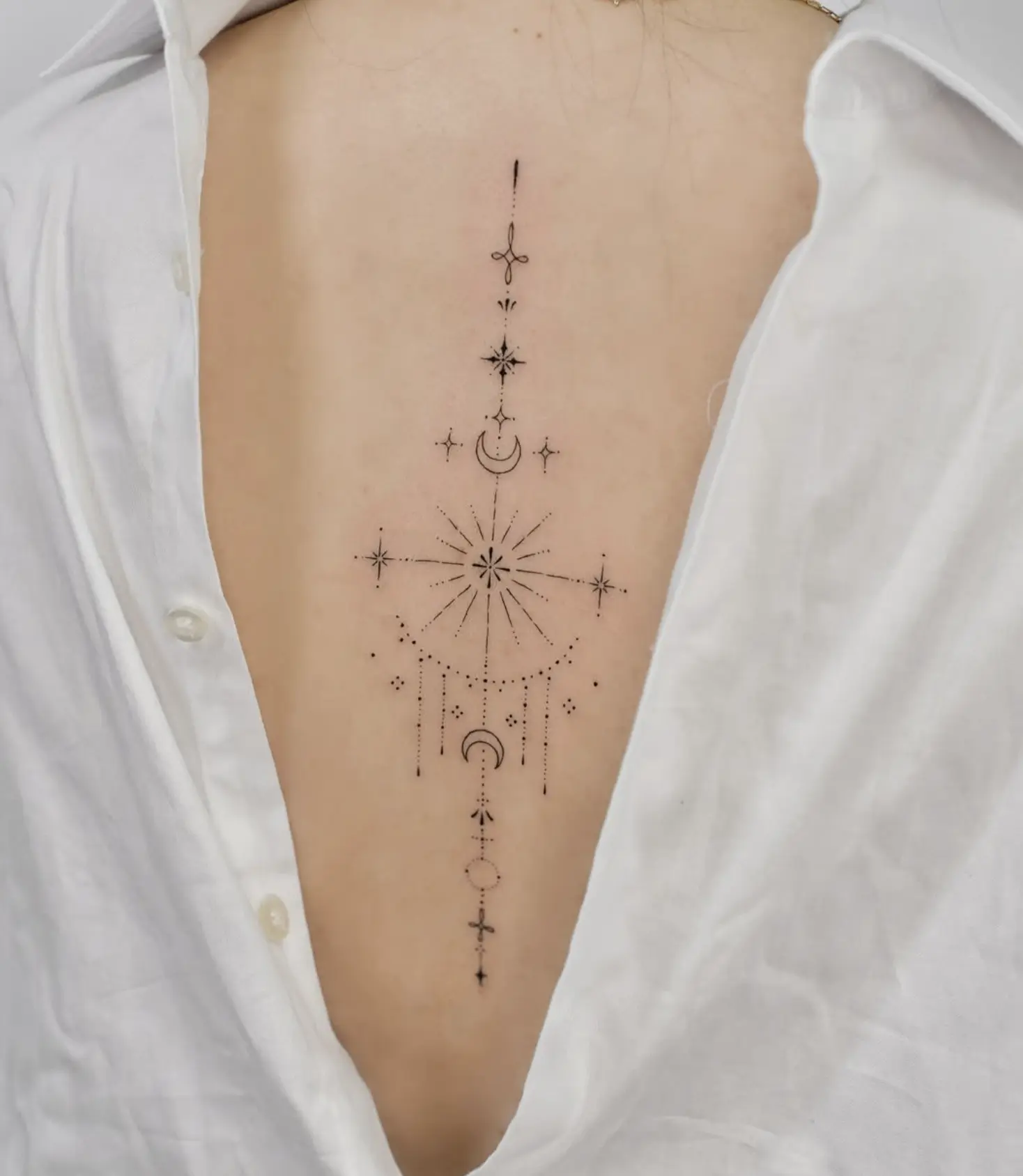
If you’ve ever admired the whisper-thin detail of a fine line tattoo and wondered how it’ll hold up over time, you’re not alone. Whether it’s a minimalist wrist script or a dainty flower tucked behind the ear, fine line tattoos have taken over Pinterest boards and salon conversations. But do they actually last?
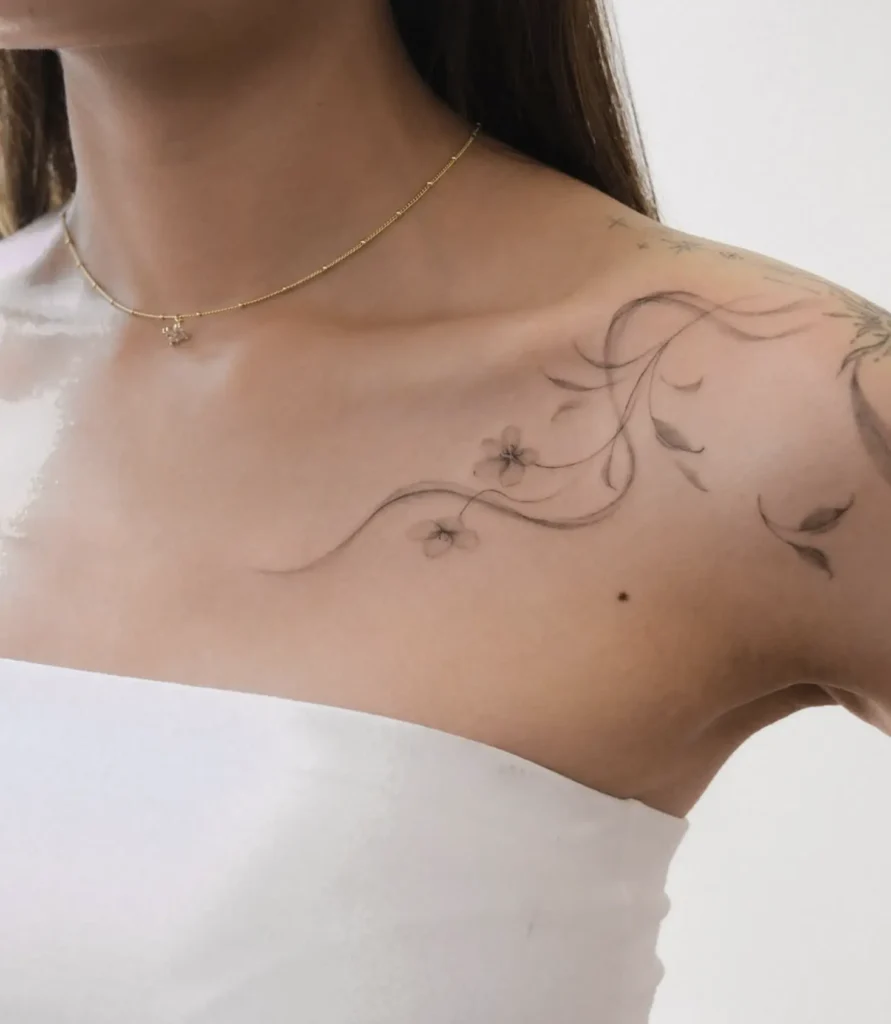
At Cosmetic Tattoo Brisbane Studio Face Figurati, we see clients every week who are curious about the longevity of these intricate designs. From subtle body art to fine line tattoos that hug the curves of the wrist or collarbone, the delicate nature of these styles calls for extra consideration.
Short answer: fine line tattoos can fade faster than traditional ones — but not always. And it depends on a few key factors, like sun exposure, proper aftercare, the healing process, and your tattoo artist’s technique.
What’s the Real Difference?
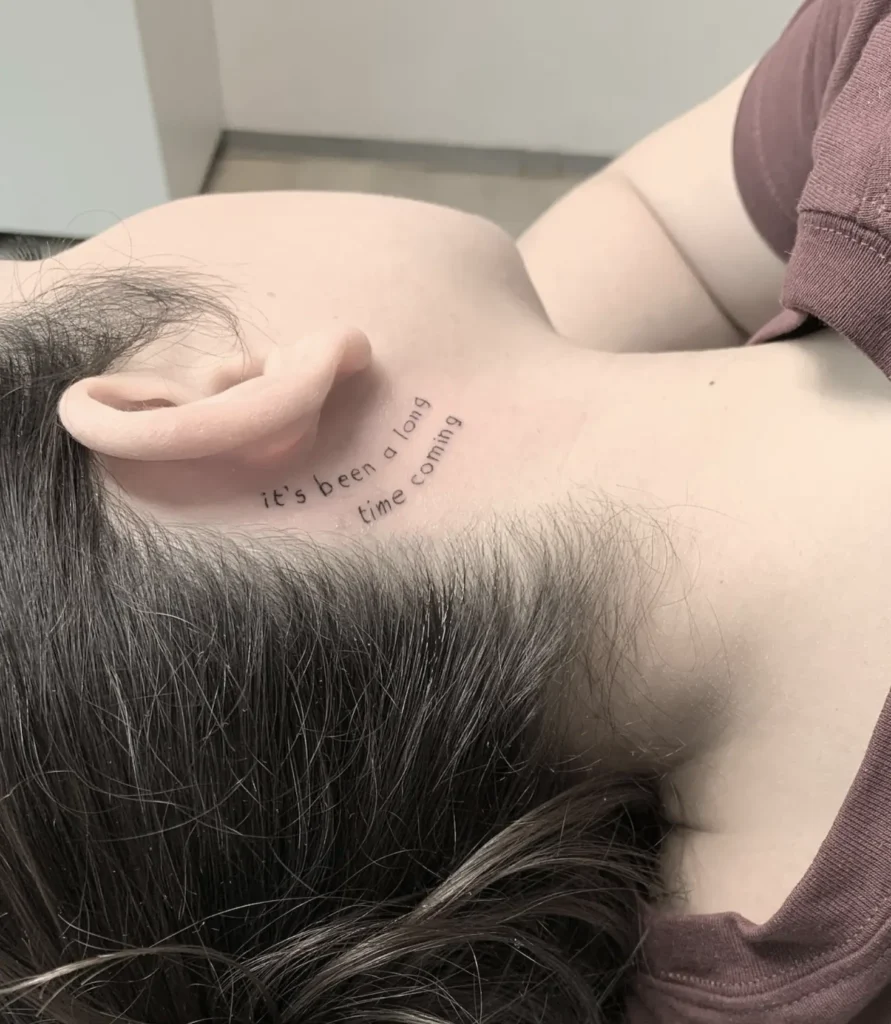
Not all tattoos are created equal — and the tattooing technique is only part of the story.
Fine Line Tattoos:
- Use a single needle or thinner needles for finer lines
- Focus on ultra-thin, delicate lines and precise appearance
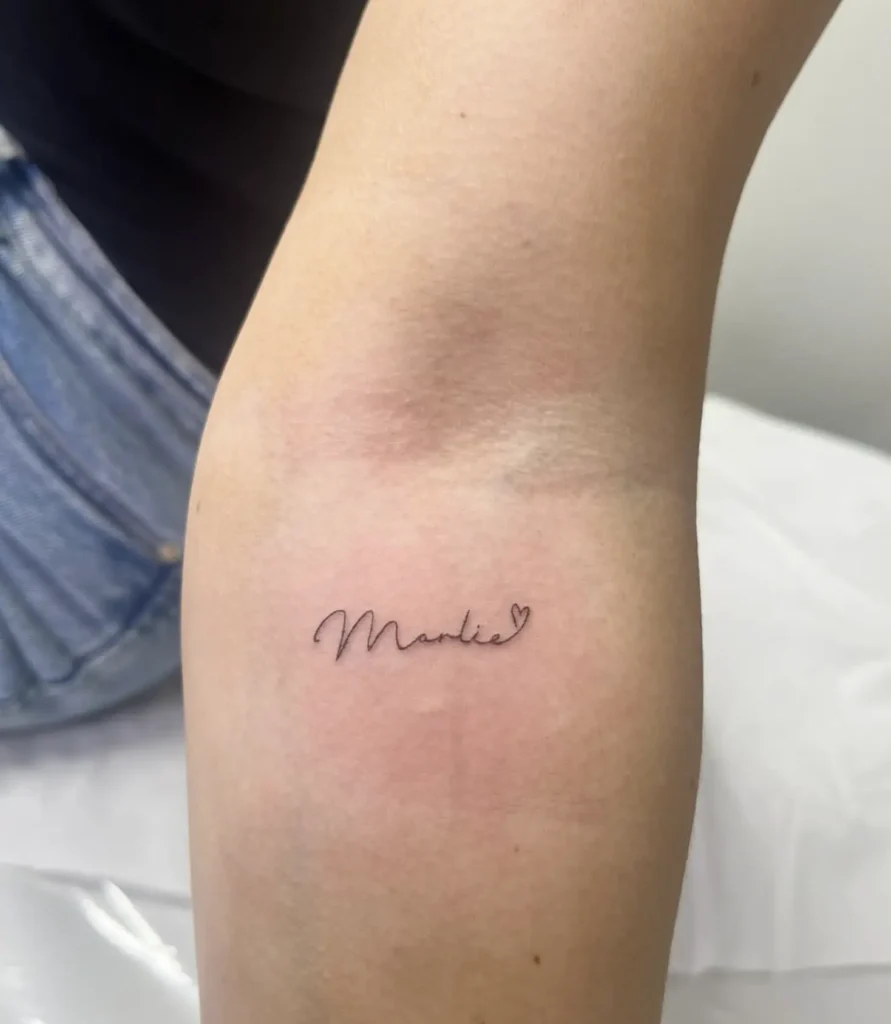
- Common in minimalist designs, delicate scripts, floral patterns, or geometric patterns
- Often involve less trauma to the skin and faster healing time
Traditional Tattoos (aka “bold will hold”):
- Use multiple needles for thicker lines and more saturated shading
- Designs are bolder, with bolder lines, stronger colour saturation, and classic motifs
- Ink is typically deposited deeper and more densely into the dermis
Why This Matters for Longevity
Fine line work can be more fragile by nature. The pigment load is lower, and the lines are narrower — which means less tattoo ink overall and more potential for it to break down or blur with time. Proper care is essential to maintain design integrity.
What Actually Causes a Tattoo to Fade?
Tattoos fade for the same reason your hair colour oxidises or your T-shirt print cracks. Skin is alive, and the world isn’t gentle. The layers of skin, skin age, and how skin heals all contribute to how a tattoo ages.
- Sun exposure: UV rays break down ink particles and age the skin
- Placement: High-friction areas (fingers, hands, feet) and places with thinner skin fade faster
- Aftercare: Improper healing, exposure to water, skipping SPF, or picking flaky skin can all speed up fading
- Skin type: Sensitive skin, oily skin, or normal skin texture affects how well the ink holds
- Tattooing technique: Shallower depth, lighter pressure, or unsteady lines increase the risk of ink spreading
The Comparison Table
| Factor | Fine Line Tattoos | Traditional Tattoos |
|---|---|---|
| Needle Configuration | Single needle / thinner needles | Larger groupings (5–14 needles) |
| Ink Saturation | Low | High |
| Depth of Pigment Placement | Shallow to mid dermis | Mid to deeper dermis |
| Healing Risk | Higher risk of uneven healing | Less risk due to thicker lines |
| Sun/Movement Sensitivity | Very sensitive | Moderate sensitivity |
| Long-Term Longevity | Can blur or fade in 1–3 years | Typically holds 5–10+ years |
What I See in Studio
When clients come in for skin treatments or consultations, I often see fresh tattoo work alongside healed pieces. Here’s how different styles behave:
- Micro tattoos and delicate designs on fingers or hands often fade unevenly within 6–12 months
- Inner arm or ribcage tattoos usually hold up better due to less friction
- Traditional designs on larger areas like shoulders or legs tend to hold bold lines and crisp detail even after a decade
How to Make Tattoos Last Longer
Love the minimalist aesthetic but want it to go the distance? Here’s how:
- Book a skilled tattoo artist. Look for experience in single-needle tattoos and subtle body art.
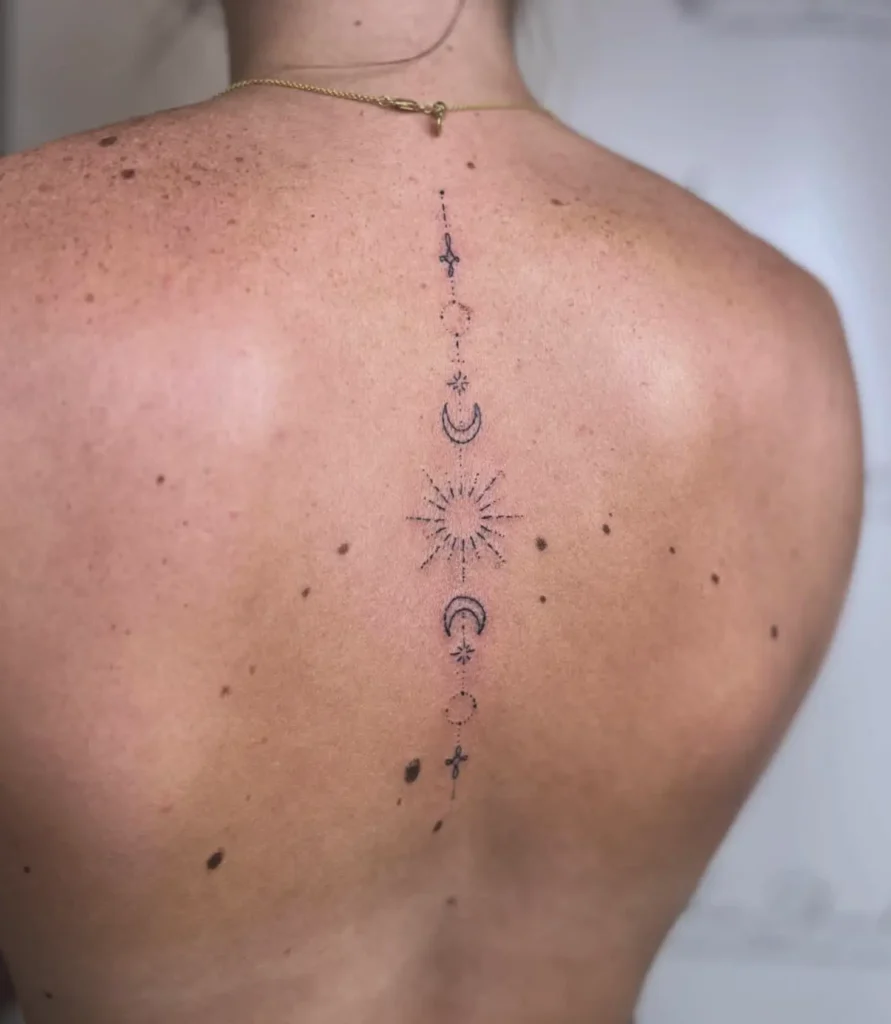
- Avoid high-friction placements. Inner arms and upper back beat fingers or ankles for longevity.
- Follow proper aftercare instructions. Gentle wash, moisturise, avoid tattoo in water, and keep the skin hydrated.
- Commit to SPF daily. Think of sunscreen as part of your tattoo clean routine.
- Be realistic. You may need regular touch-ups to maintain that precise appearance.
2025 Tattoo Trends
Yes — but with a twist.
According to 2025 data from global search platforms and online communities, fine line tattoos and minimalist tattoos still dominate. But the tattoo scene is branching out:
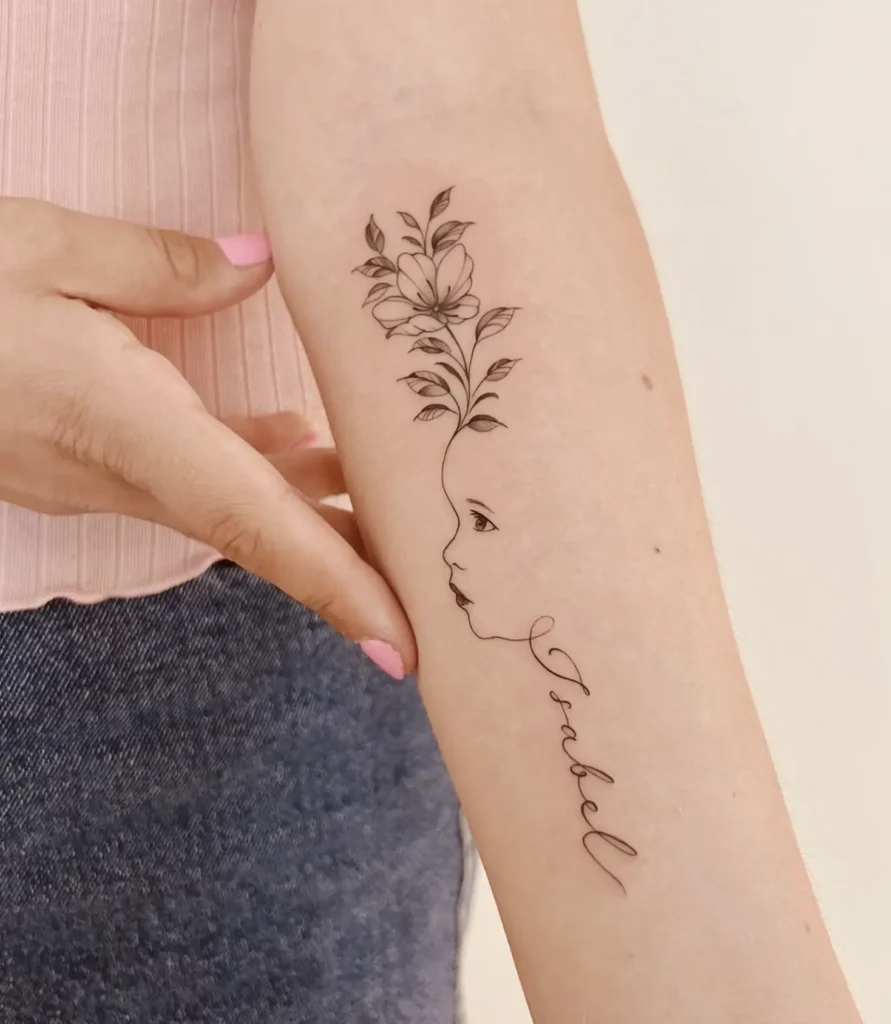
- Blends of fine line with subtle shading or light shading
- Tiny detailed tattoos mixed with bolder elements
- Increased demand for refined tattoos and elegant tattoos with personal meaning
The Verdict
Yes — but with nuance.
Fine line tattoos, by their delicate nature, use less ink and rely on thinner lines and softer shading. Without extra care, exposure to sun, and friction can cause faster fading or slight fading.
But when applied by experienced tattoo artists using proper tattoo machines and techniques, they can last surprisingly well.
Think of them as the silk shirt of the tattoo world: elegant, precise, and a little high maintenance.
Final Thoughts
Fine line tattoos are a form of body art that speak to personal expression and minimalist beauty. But the intricate nature means they require extra care.
Before booking, ask your tattoo artist or studio:
- Do you have experience with this style of tattooing and healing process?
- What aftercare instructions do you recommend for skin health?
- Will this design hold its precise lines and intricate detailing over time?
- Can this level of detail be maintained on my skin tone and texture?
- What’s your policy on touch-ups or uneven healing?
You want incredible tattoo artists who understand the fine line between elegant tattoos and premature fading. Whether it’s a celestial body, geometric design, or a single-line portrait, your vision deserves the hands of a skilled artist.
Still unsure if this is the right path in your tattoo journey? Book a tattoo consultation. Let’s bring your ideas to life — with finesse, not frustration.
FAQ
Will my fine line tattoo fade completely?
It can, particularly if placed on high-friction areas or exposed to excessive sun. Finer lines break down more easily over time.
Can I touch up a fine line tattoo?
Yes — and often you’ll need to. Regular touch-ups help maintain intricate detailing and keep the piece looking clean.
Are coloured fine line tattoos worse for fading?
Definitely. Lighter shades fade faster, especially without optimal healing and SPF. Darker skin tones may also affect visibility of subtle lines.
Is it easier to remove a fine line tattoo?
Often yes, due to lower ink load. But the healing time and layers of skin still matter for laser results.
What’s the best placement for longevity?
Low-friction zones: inner arms, ribs, behind the ear. These spots preserve delicate appearance and intricate details.