What Flora Is Unique to the Blue Mountains?
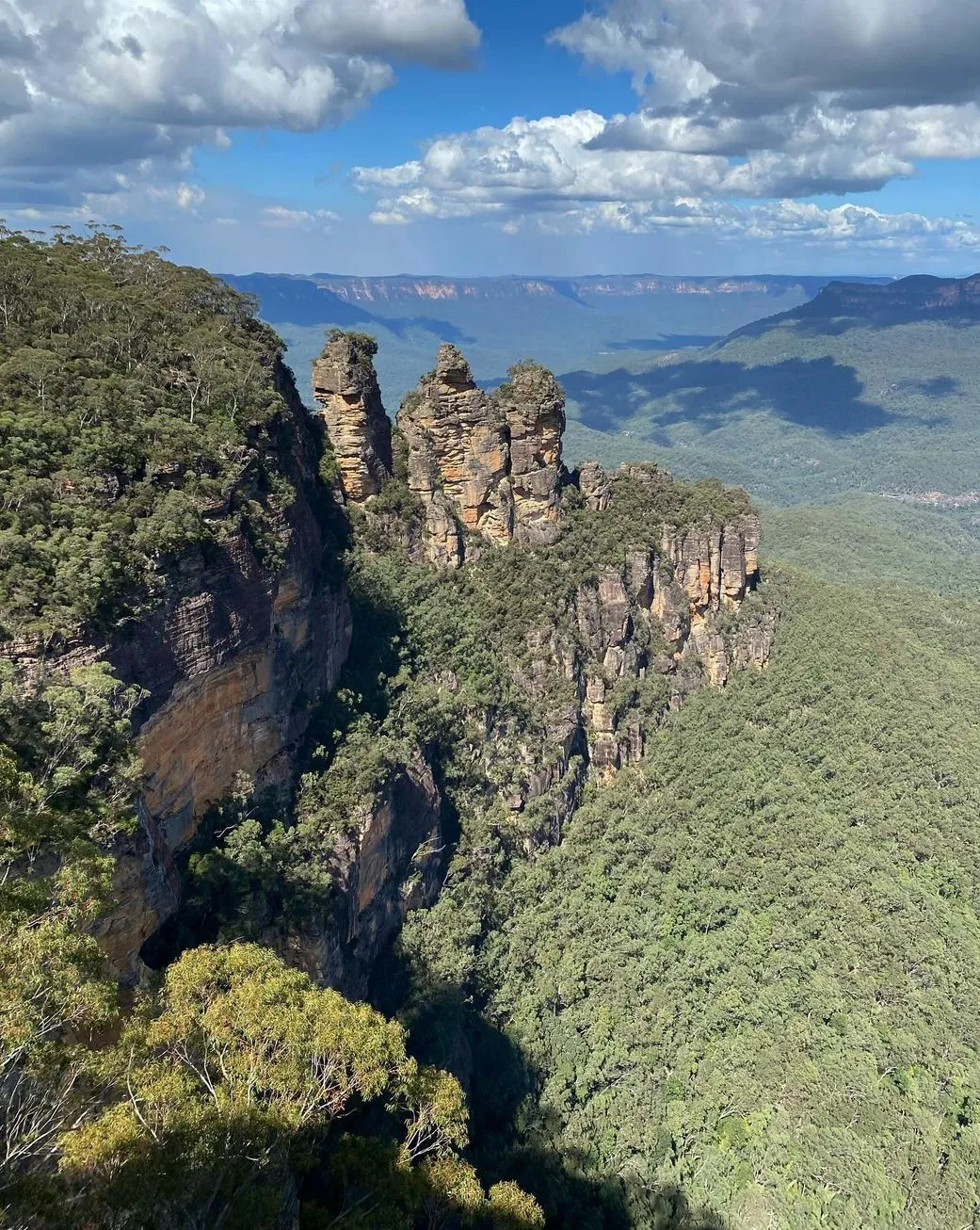
The Blue Mountains in New South Wales, Australia are not just a beautiful natural wonder – they are also home to some of the most unique and diverse plant life in the country. With their deep valleys, sandstone cliffs, rock formations and temperate climate the Blue Mountains create an environment that supports a rich array of native plants, native species and plant communities. Many of these are endemic species – found nowhere else on Earth. From the misty rainforest gullies to the sun-baked heathlands the many habitats throughout the region provide the perfect conditions for an incredible diversity of flora families.
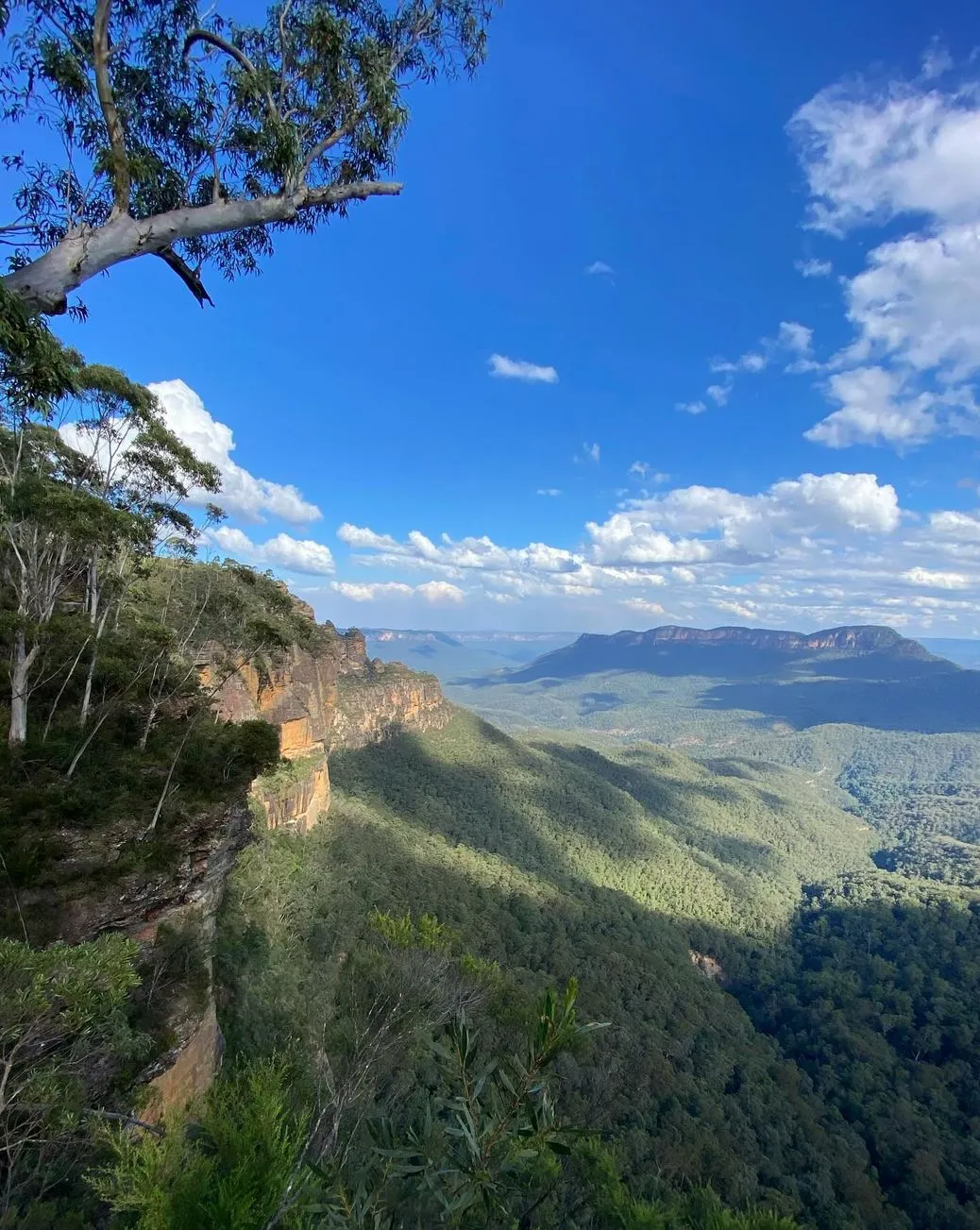 Many visitors discover this botanical treasure trove on guided Blue Mountains tours which provide educational insights into the native flora and the ecosystems they inhabit.
The flora of the Blue Mountains is a botanist’s dream. The mix of ancient relict species, dominant species, rare endemic species and resilient plant families paints a picture of nature’s adaptability. Whether you’re a plant collector, nature photographer or casual hiker you’ll encounter many plant species – each with its own unique adaptations. The mix of broad leaves, narrow leaves, variable leaves, tall plants and crazy heights among trees and shrubs shows just how rich and varied the plant life is.

Blue Mountains tours often include bushwalks to key botanical sites so visitors can get up close and personal with blooming waratahs, ancient pines and rare flowering shrubs.
Wollemi Pine (Wollemia nobilis)
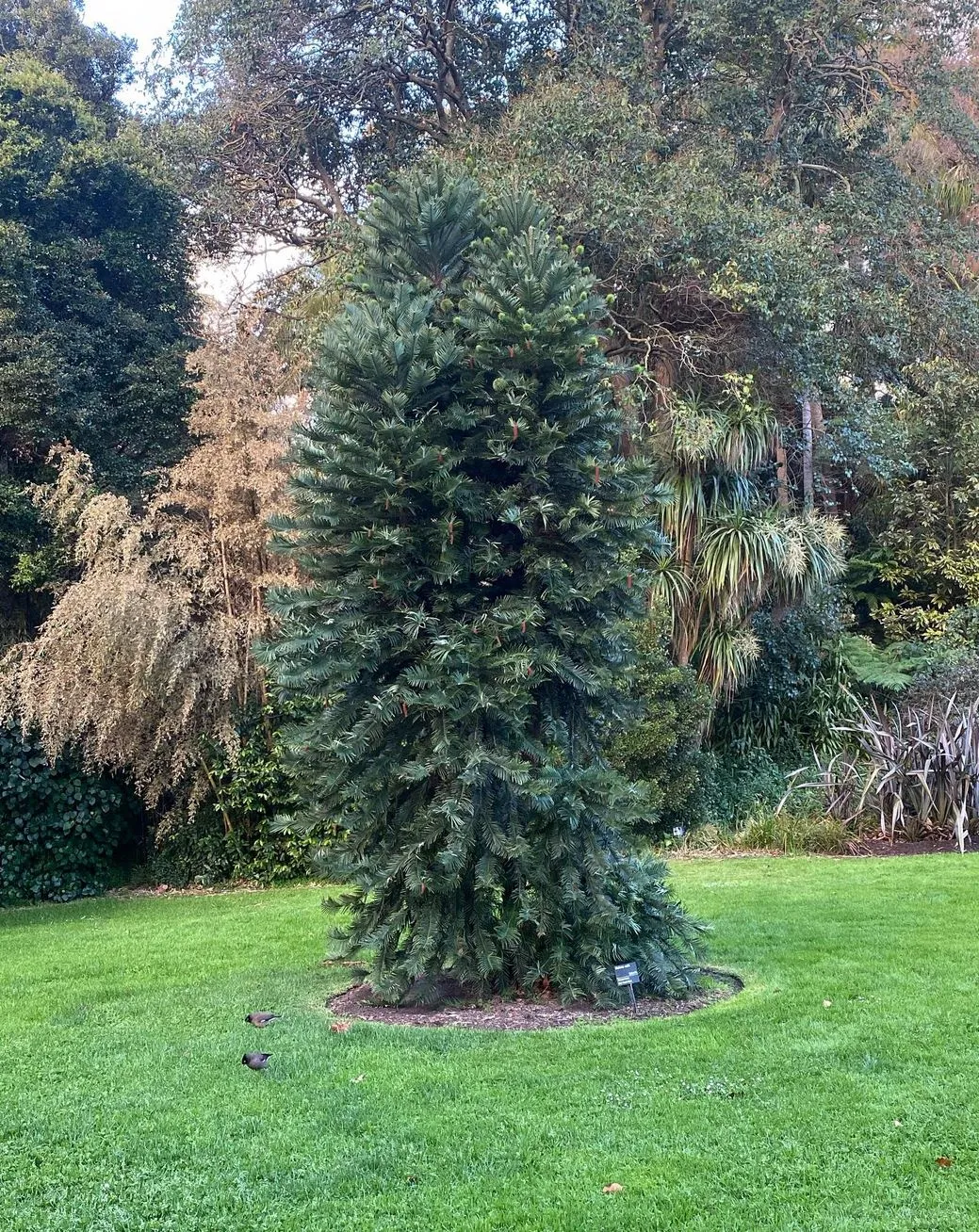
Known as the “dinosaur tree” the Wollemi Pine is one of the world’s rarest and oldest tree species. Thought to be extinct until it was rediscovered in 1994 in a remote canyon in Wollemi National Park. This relict species dating back over 200 million years thrives in wet rocks and secluded rock shelters. Its discovery was one of the most significant botanical finds of the 20th century. This tall plant often grows under shady trees and conservationists have worked hard to protect its small population in protected areas.
Blue Mountains Ash (Eucalyptus oreades)
This big tree and beautiful plant can grow to over 40m high. Found mainly at higher elevations it is a dominant species of the Blue Mountains gum trees. Its smooth bark and tall form makes it an iconic figure in the local ecosystem. These trees provide habitat for many Australian animals, nesting sites in their branches and shady trees for forest understorey plants.
Waratah (Telopea speciosissima)
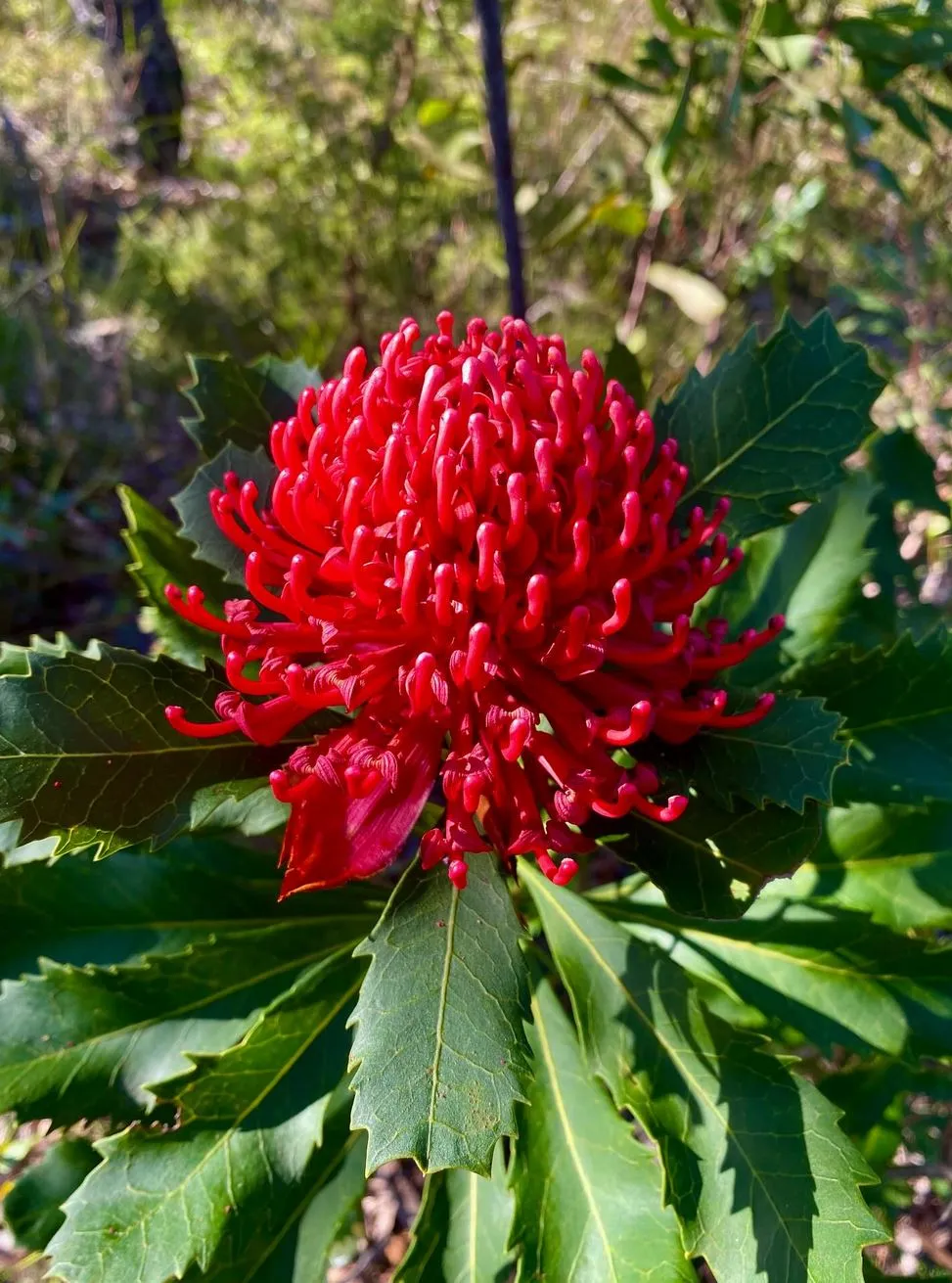
The Waratah is the floral emblem of New South Wales and a showstopper in the Blue Mountains. With its crimson flower head, intricate flower stalks and wide flowers it’s a pollinator magnet. Often flowering in late spring Waratahs are part of the Proteaceae family and can sometimes have pink flowers. These plants are highly sought after by plant collectors and photographers and are an important food source for native animals in areas where they bloom.
Mountain Devil (Lambertia formosa)
This unusual shrub with devil-like seed pods produces bright red, pink flowers that are a honeyeater magnet. The Mountain Devil grows in sandstone soils and dry heathland and has narrow leaves that distinguish it from many other species. It’s a favourite among plant collectors for its unusual appearance and dramatic colour. As part of the Proteaceae family it’s well adapted to fire prone ecosystems.
Grose Valley Wattle (Acacia linearifolia)
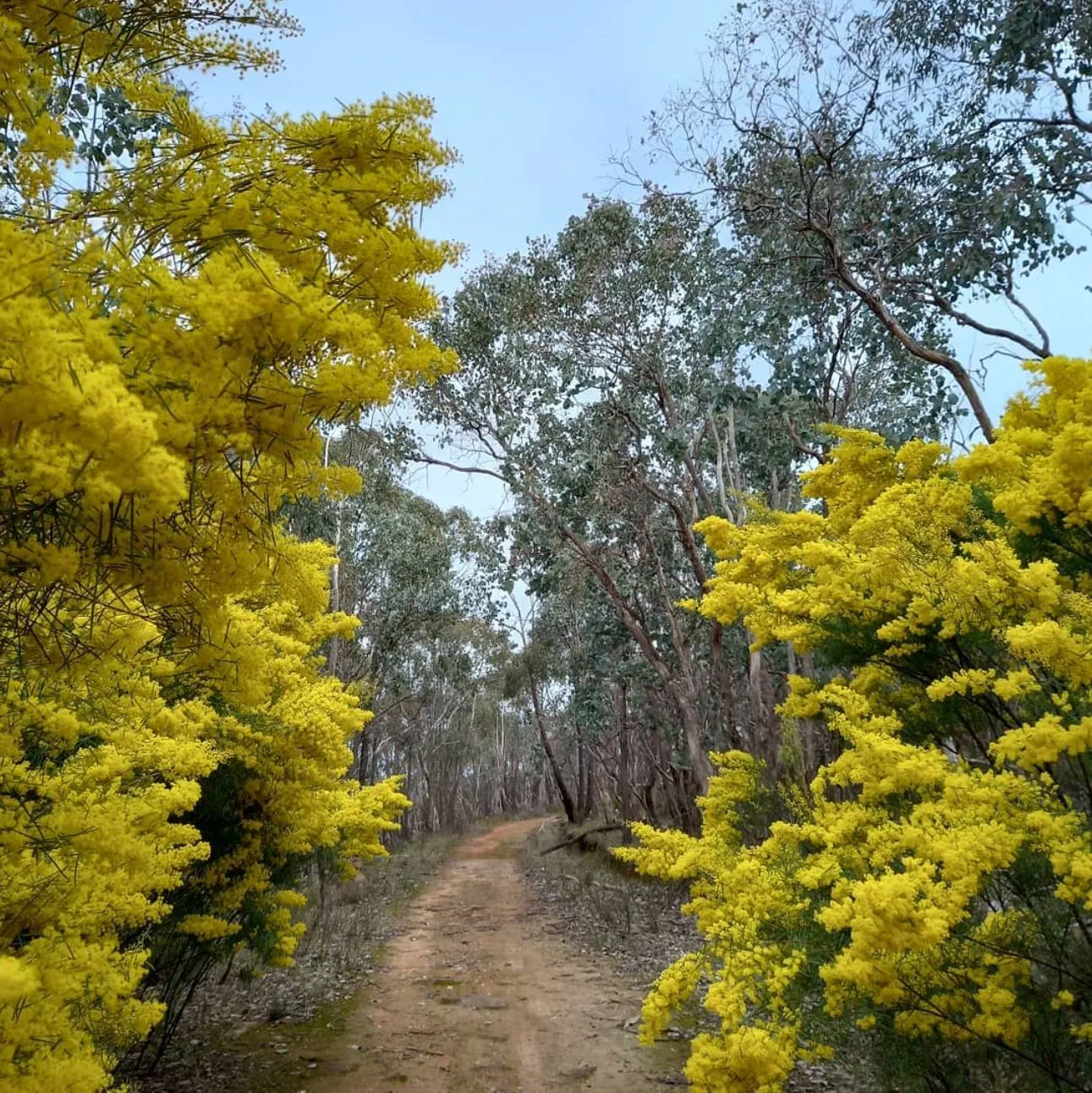
This small tree is one of the Blue Mountains’ lesser-known treasures. Golden yellow flowers in late spring and variable leaves for insects and birds. As an Acacia it plays a big role in nitrogen fixation and soil health across its range.
Dwarf Mountain Pine (Pherosphaera fitzgeraldii)
This critically endangered conifer is found in only a few small populations near misty waterfalls and wet gorges. It loves shade and wet rocks, it’s a real ecological specialist. Although an average height species it’s rarity and limited range makes it of huge conservation interest. As a relict species it’s a living link to ancient vegetation and highlights the importance of preserving even the most obscure flora.
Banksia (Various Species)
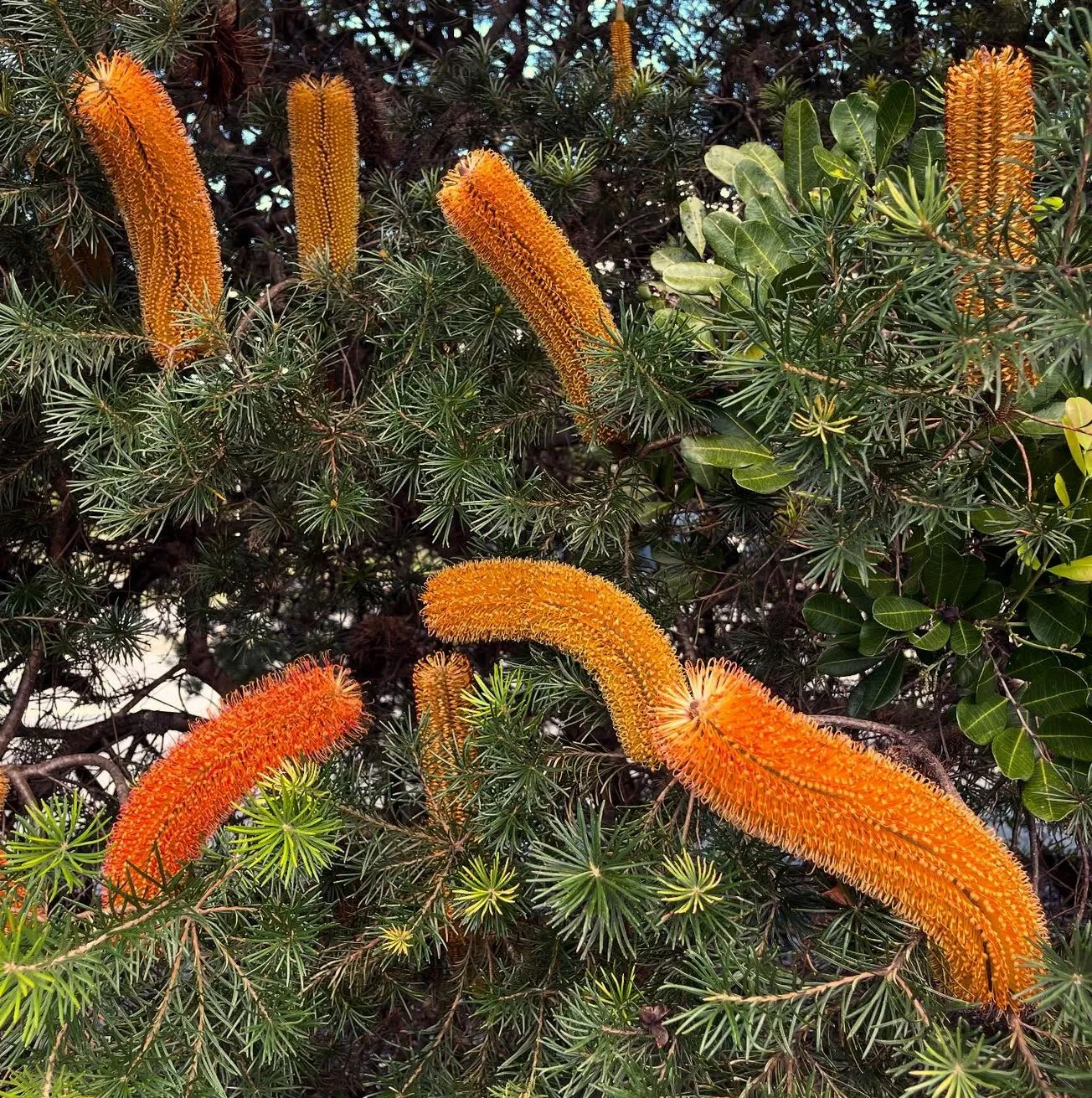
Banksias are hardy shrubs and small trees found throughout the Blue Mountains. Species like Banksia serrata and Banksia spinulosa have wide flower heads with pink flowers or even purple flowers. Broad leaves, narrow leaves or even needle like foliage depending on the species. Banksias are very versatile. These plants are part of the Proteaceae family and are dominant species in many woodland and heathland communities. Their nectar rich flowers support birds, bees and other pollinators and are a vital part of the ecosystem.
Other Notable Flora Species
The Blue Mountains also have:
- Grevilleas with flower stalks and broad leaves.
- Xanthorrhoea (Grass Trees) with thick trunks and flower spikes.
- Eriostemon and Boronia species with pink and purple flowers.
- Melaleuca and Leptospermum shrubs with narrow leaves and dense flower heads.
These plants thrive in the mountains where elevation, temperature and geology changes dramatically over short distances. The varied environment leads to isolated plant communities and increased biodiversity.
Why It’s So Special
The Blue Mountains flora is unique due to its geographic isolation, microclimates, complex rock formations and sandstone-derived soils. This has resulted in high levels of endemism with many species found nowhere else. The mountain ranges and deep valleys create environmental niches that support both ancient relict species and highly specialized modern plants. These unique plant communities include dominant species like gum trees and understorey plants with distinctive flower heads, flower stalks and variable foliage.
These plant communities are the foundation for complex ecosystems that include Australian animals like echidnas, wombats, kangaroos and a variety of birds and insects. Even the frog green tree frog can be found hopping around shady trees and leaf litter. Other common animals and fluffy animals like possums and gliders add to the forest canopy.
Joining a Blue Mountains tour is a great way to learn about these interconnected systems and how plant and animal species coexist across the landscape.
But these systems are under threat. Power stations, habitat loss, bushfires and climate change are threatening endemic species and altering entire ecological communities. Conservation is essential to save these irreplaceable flora families and the wildlife that depends on them.
Conclusion
Visiting the Blue Mountains is more than a scenic drive – it’s an immersion into one of Australia’s most botanically diverse and ecologically important landscapes. With native plants, vibrant flower heads, iconic gum trees and range of habitats the Blue Mountains are a haven for plant collectors, nature lovers and anyone who loves the natural world. Whether it’s the crazy heights of eucalyptus or the subtle beauty of pink flowers in a shady grove, every visit is unforgettable.
To really get a sense of the breadth of flora species and their ecological significance join one of the many Blue Mountains tours – a great way to get up close and personal with nature.
FAQ
What’s so special about the Blue Mountains’ plants?
The Blue Mountains has a wide range of native plants, endemic species and relict species that have adapted to the many microclimates and unique geology. Many plant communities here are found nowhere else in the world.
Are there endangered plants in the Blue Mountains?
Yes, we have critically endangered flora like the Wollemi Pine and Dwarf Mountain Pine. These relict species are important for science and biodiversity and are actively protected by conservation programs.
When can I see wildflowers in bloom in the Blue Mountains?
Late spring (October to November) is the best time to see flower heads, flower stalks and blooms like pink flowers and purple flowers. This is when the region is at its most colourful and active.
Can I see these plants on a bushwalk?
Yes! Many trails in the Blue Mountains National Park and surrounding reserves go through areas with native plants, tall plants like the Blue Mountains Ash and shrubs with big flowers and variable leaves. Blue Mountains tours often highlight these botanical hotspots.
How is climate change affecting the Blue Mountains’ plants?
Climate change is causing rising temperatures, changing rainfall patterns and more bushfires. This is threatening endemic species and entire ecological communities, so conservation and sustainable land management is more important than ever.